
New to Karting at Badger Kart Club
Welcome to Badger Kart Club (BKC). If you’re reading this, chances are your family is curious about kart racing and wondering where to begin. Karting is one of the most approachable and rewarding forms of motorsports, offering a rare mix of competition, learning, and family involvement. This guide is written specifically for new racing families and first-time drivers looking to start the right way at Badger Kart Club.


What Is Kart Racing?
Karting offers more seat time per dollar than nearly any other form of racing. The wide range of classes and budgets
makes it accessible to families with different goals and experience levels. Whether your goal is competition, personal development, or a new family activity, karting provides an experience that grows with you.
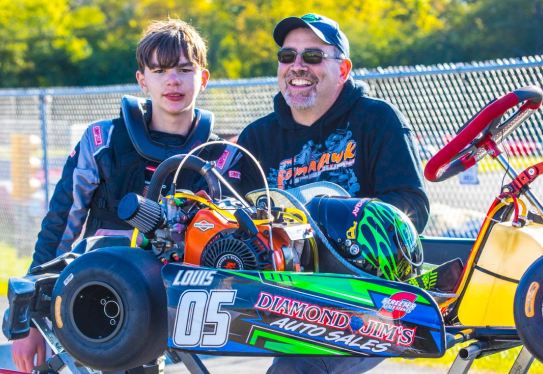
At its core, karting is a family sport. Parents, kids, and even grandparents often participate together. Some families have multiple drivers, while others support from the pits or the sidelines. Karting teaches sportsmanship, mechanical skills, focus, and resilience — all while providing an exciting and active way to spend time together.
Start with Local Knowledge
Before purchasing a kart, engine, or safety equipment, we strongly encourage new families to connect with one of Badger Kart Club’s local sponsors. Our sponsors are active participants in the karting community and are the best resource for current, accurate information.
Local sponsors can help guide you through:
- Safety equipment requirements and current certifications
- Proper driver sizing and fit
- Realistic startup and seasonal budgets
- Kart and engine selection
- Setup and maintenance expectations
- Different Services provided to get started in the sport, such as arrive-and-drive opportunities
When purchasing used equipment, the Badger Kart Club Classifieds section and our Facebook community are excellent resources. Experienced members are always willing to share advice and help new families avoid common mistakes.
Kart Racing at Badger Kart Club
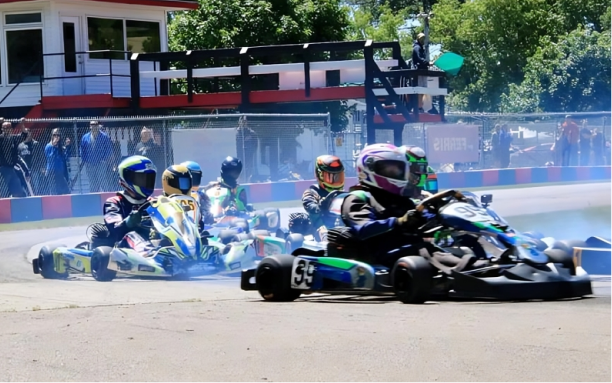
Badger Kart Club is a sprint kart racing organization. Sprint kart racing takes place on paved road courses with both left and right turns using purpose-built racing karts. Success in sprint karting depends on driver skill, consistency, racecraft, and smart setup decisions — not just engine power.
Classes and
the Rule Book
All classes at Badger Kart Club are defined and governed by the Badger Kart Club Rule Book. Classes are structured to promote fair, competitive racing and are based on driver age, engine type, and minimum combined kart and driver weight.
General age groupings include:
- Kid Kart (Ages 5–7)
- Cadet / Sportsman (Approx. 7–12)
- Junior (Approx. 12–15)
- Senior (15+) – Masters (Typically 30+ or 35+)
Each age group may include multiple engine classes. Always reference the current BKC Rule Book for official class definitions and requirements.
How to Get Started – Step by Step

Decide where you will race.

Choose a class.
Select a class based on driver age, budget, and experience. Avoid purchasing equipment until this step is complete.

Visit the track.
Attend a race weekend, walk the paddock, and ask questions. Kart racers are generally very welcoming and happy to help.

Consider arrive-and-drive options.
These programs allow new drivers to experience karting before committing to a full purchase.

Decide where you will race.
Use local sponsors, experienced members, and club resources to make informed decisions.
Startup and Seasonal Budget Overview
Startup costs vary depending on age group and equipment choices.
The ranges below reflect typical costs seen at Badger Kart Club.
Used Kart Setup:
– Used kart and engine package: $1,500 – $5,000+
– Club membership and race entry fees: a few hundred dollars per year
– Seasonal spares, tires, and maintenance: $500 – $2,000+
New Kart Setup:
– New kart and engine package: $3,500 – $6,000+
– Club membership and race entry fees: a few hundred dollars per year
– Seasonal spares, tires, and maintenance: $500 – $2,000+
Safety Equipment – Do Not Cut Corners
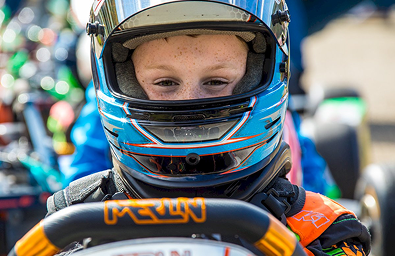
Safety is the one area where we strongly recommend never trying to save money. Whenever possible, purchase new, up-to-date safety equipment. Helmets and protective gear play a critical role in injury prevention.
Typical safety equipment costs include:
- Helmet (current certification): $200 – $700
- Kart-specific race suit or abrasion-resistant jacket: $150 – $300
- Gloves: $30 – $80
- Neck protection: $40 – $130
- Rib protector (highly recommended for all drivers): $100 – $250+
- Chest protector (required for younger drivers): $50 – $200+
Transporting and Storing Your Kart
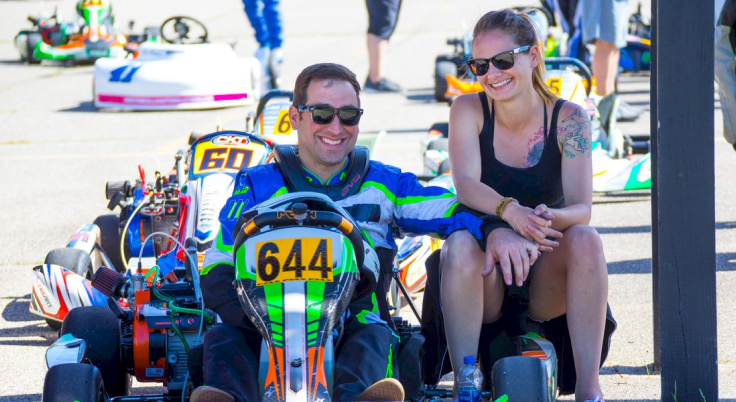
Karts can be transported using a pickup truck, small trailer, van, or some larger SUVs. Storage can be as simple as a garage or small shed. When space is limited, karts can be stored vertically against a wall, requiring a footprint of approximately 26” x 56”.
Recommended Equipment Checklist
- Kart stand with wheels
- Tire pressure gauge (0–60 psi)
- Air compressor or air tank
- Fuel jug
- Zip ties
- Metric hand tools (hex keys, sockets, torque wrench, screwdrivers)
- Drill or impact driver
- Spring puller
- Soft blow hammer
- Catch pan
- Fire extinguisher
- Chain lube and oil
- Contact cleaner
- Spare chain and assorted sprockets
- Miscellaneous nuts and bolts
Safety Gear Checklist:
- New, certified helmet (never buy used helmets)
- Kart-specific race suit
- Karting gloves
- Karting shoes (recommended)
- Neck protection
- Rib protector
Final Thoughts
Next Steps
Review all the resources our club has to offer to help you get started with your racing journey.
Reach out to our board members and ask us about becoming a new member. We can even introduce you to families who will help guide you through your first weekend at the track. No matter what questions you have, we can guide you to an answer, the only dumb question is the one you didn’t ask.
Sponsors

